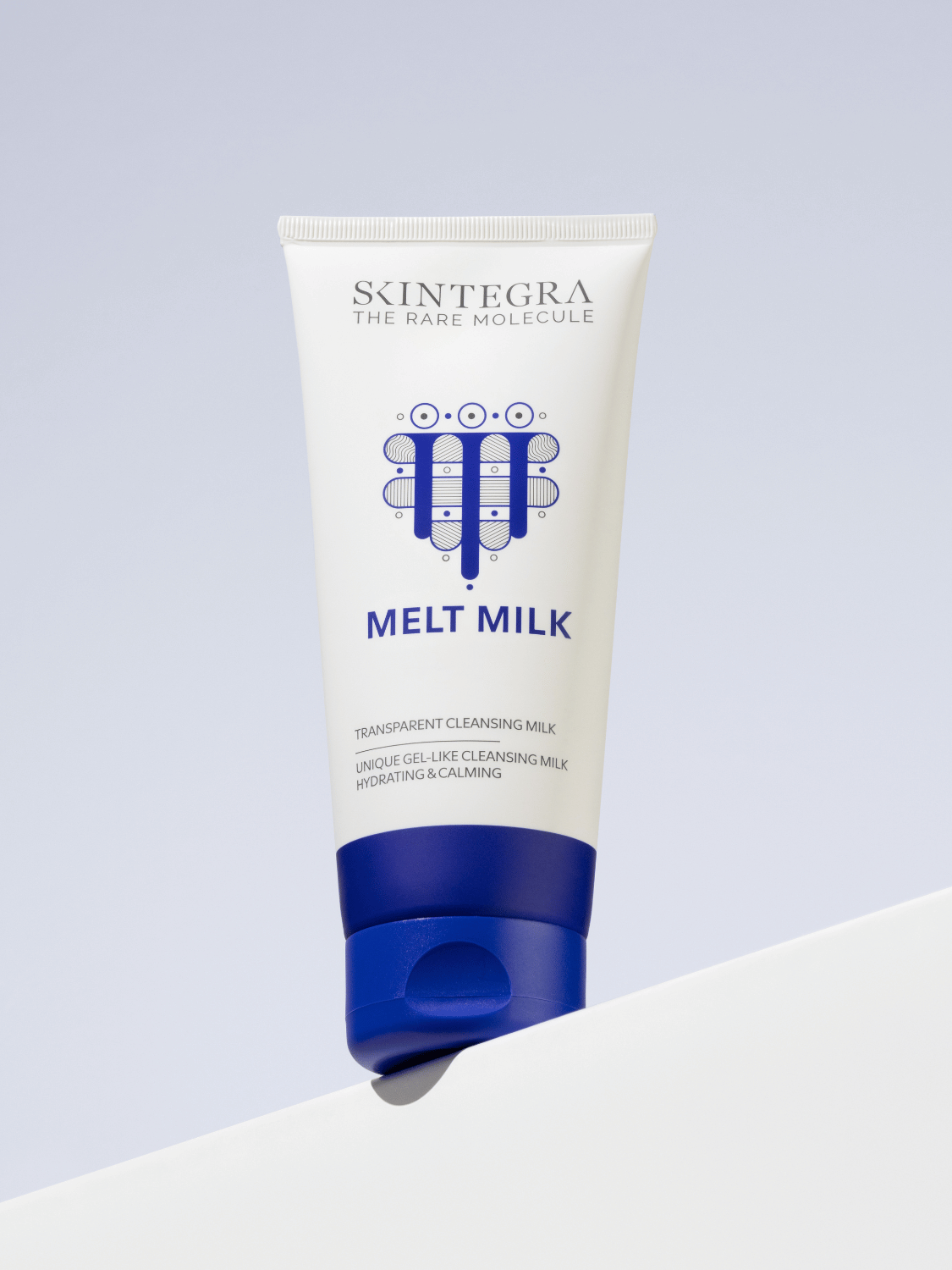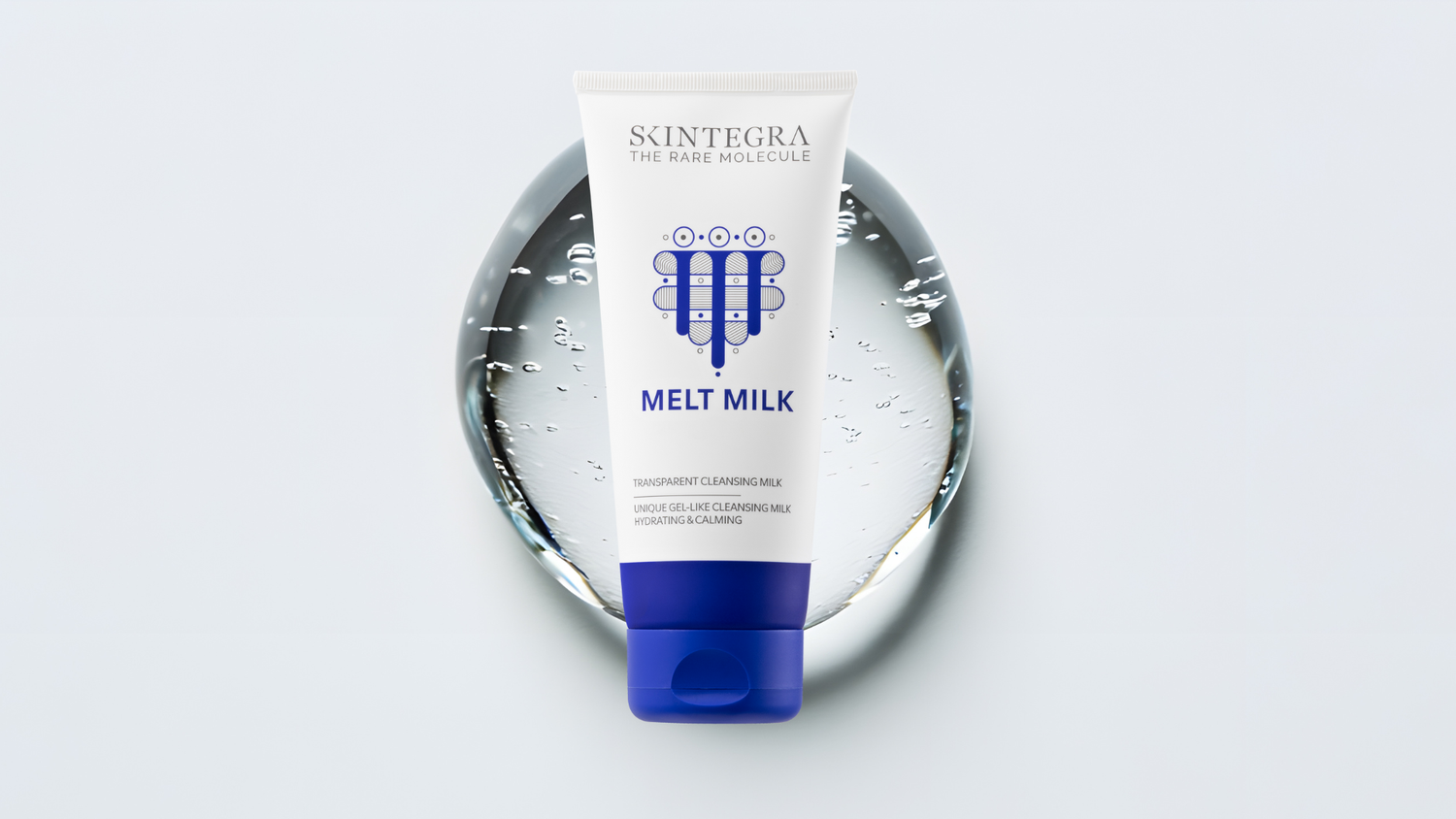
Anti-aging skincare is often associated with retinol, vitamin C and acids — but far less is said about the role a facial cleanser can play in skin health and aging. When formulated with mild surfactants, hydrating ingredients and barrier-supportive components, an anti-aging cleanser can become an essential step in preventing premature skin aging.
How does an anti-aging cleanser work?
A well-formulated anti-aging gel cleanser removes impurities, SPF and pollution without disrupting the skin barrier or drying out the skin. Humectants such as glycerin, pentylene glycol and sorbitol bind moisture within the skin during cleansing, keeping it soft, elastic and comfortable.
At the same time, gentle surfactants cleanse without causing tightness, helping to reduce the risk of chronic irritation and inflammaging — low-grade inflammation that can accelerate wrinkles and loss of firmness.
The role of the microbiome in anti-aging skincare
Modern anti-aging cleansers often contain postbiotic ferments that support the skin’s natural microbiome. This helps strengthen the skin’s defence mechanisms and reduce sensitivity — something especially important for mature and reactive skin.
Why is hydration during cleansing important?
When a cleanser does not dry out the skin, the risk of increased transepidermal water loss (TEWL) is reduced. This allows the skin to maintain elasticity, plumpness and a healthy glow — key elements of any anti-aging skincare routine.
Who should use an anti-aging cleanser?
✔ people with dry, sensitive or mature skin
✔ anyone interested in preventive anti-aging care
✔ users of retinol, acids or other potentially drying treatments
Conclusion
An anti-aging facial cleanser is not just a product for removing impurities — it is a foundation for a healthy skin barrier. When the skin remains hydrated, calm and resilient, visible signs of aging develop more slowly. That’s why a high-quality, gentle and hydrating cleanser is one of the most important steps in an effective anti-aging routine.